Education
Buy smarter,
not just more.
We believe an educated client makes better decisions — and feels more confident about one of the most significant purchases of their life.
Diamonds
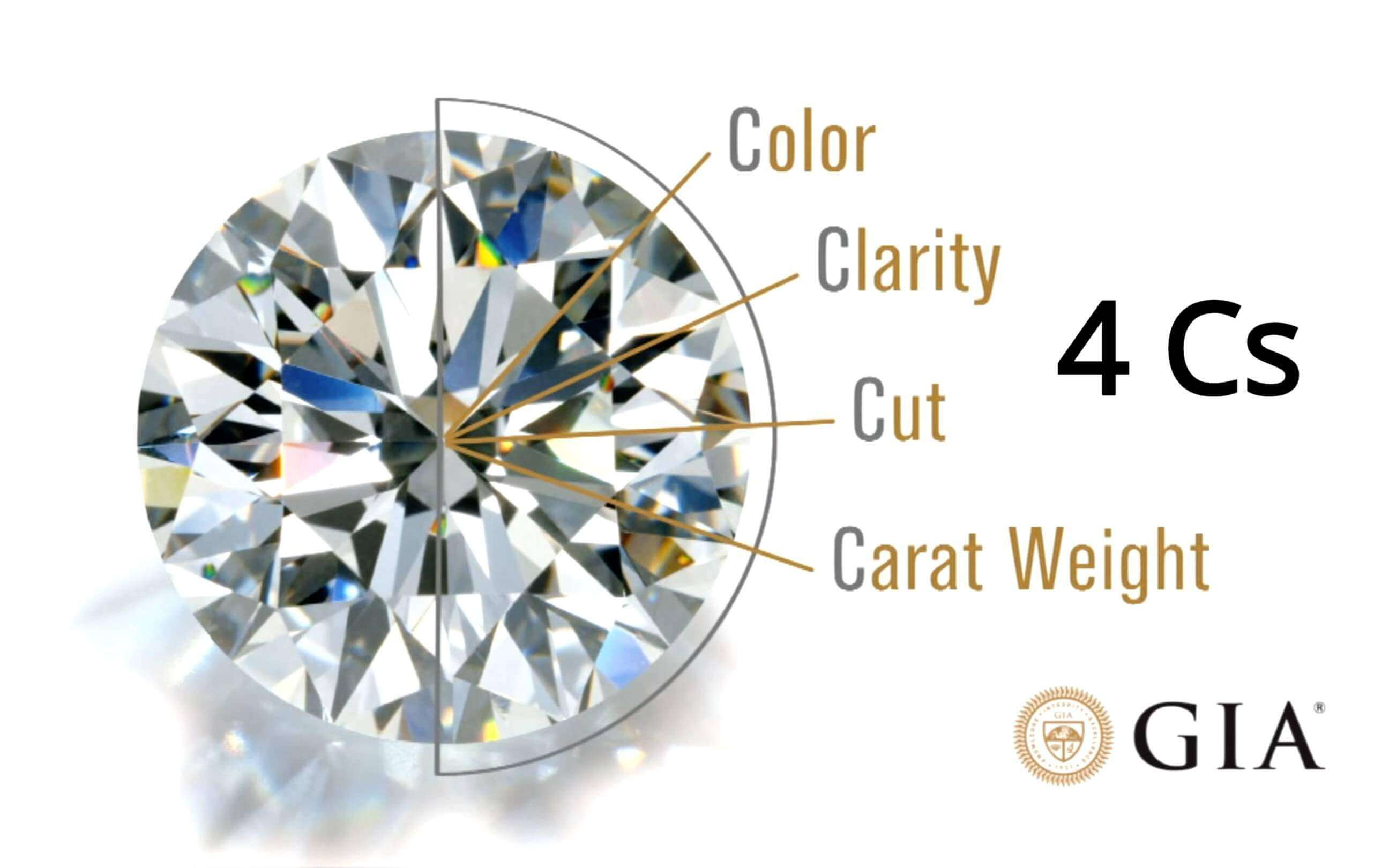
Understanding the 4 Cs
Cut, Color, Clarity, Carat — and why Cut is the only one that truly determines how a diamond looks.
Cut
Cut is the most important of the 4 Cs. It determines how much light the diamond captures and reflects. An Excellent cut diamond will outshine a larger diamond with an inferior cut — every time.
Color
The GIA color scale runs from D (colorless) to Z (light yellow). For most white metals, a G or H color is virtually indistinguishable from colorless while offering significant savings.
Clarity
Clarity refers to internal inclusions and surface blemishes. Most inclusions are invisible to the naked eye. VS2 or SI1 clarity is often the sweet spot between quality and value.
Carat
Carat is a weight measurement — not size. Two diamonds of identical carat weight can appear very different in size depending on cut. Prioritize cut over carat.
Materials
Natural vs. Lab-Grown Diamonds
An honest comparison — no agenda, just facts — so you can make the choice that's right for you.
What's the difference?
Lab-grown diamonds are chemically, physically, and optically identical to natural diamonds. They are grown in controlled environments using the same carbon crystallization process that occurs in the earth.
Price difference
Lab-grown diamonds typically cost 60–80% less than natural diamonds of identical quality. This allows you to maximize carat weight, cut quality, or redirect budget to the setting.
Resale value
Natural diamonds retain value better over time. Lab-grown diamonds have seen significant price decreases as production scales. If long-term resale matters to you, natural diamonds have the advantage.
Our recommendation
Both are beautiful choices. We present both options honestly and let you decide based on your priorities — budget, origin story, or long-term value.
Certified by


Metals
Choosing Your Metal
Your metal choice affects the look, durability, and maintenance of your jewelry for decades.
Platinum
The most durable and pure metal for fine jewelry. Naturally white, hypoallergenic, and ideal for securing diamonds. Develops a patina over time that many clients prefer. Higher cost.
White Gold
Yellow gold alloyed and rhodium-plated for a white appearance. More affordable than platinum. Requires replating every 2–4 years as the rhodium wears. Very popular.
Yellow Gold
The classic choice. Timeless, warm, and doesn't require plating. Available in 10K, 14K, and 18K — the higher the karat, the more pure gold, and the softer the metal.
Rose Gold
Yellow gold alloyed with copper for a warm, romantic pink tone. Increasingly popular and flattering against most skin tones. Like yellow gold, no plating required.
Fit
Ring Sizing & Comfort
A ring that fits perfectly will be worn more and loved longer.
Finding your size
Ring size can vary throughout the day — fingers swell in heat and shrink in cold. The best time to measure is at the end of the day, at room temperature.
Comfort fit
A comfort fit band has a slightly rounded interior, which makes it more comfortable for everyday wear. We recommend this profile for wedding bands.
Can it be resized?
Most rings can be resized up or down 1–2 sizes without issue. Rings with full eternity bands, certain gemstones, or complex designs may be harder to resize — we'll advise you on this before production.