Ring Styles
The Meaning Behind the Three-Stone Ring
Past, present, future — but the symbolism goes a little deeper than the shorthand version most people know.
The traditional symbolism
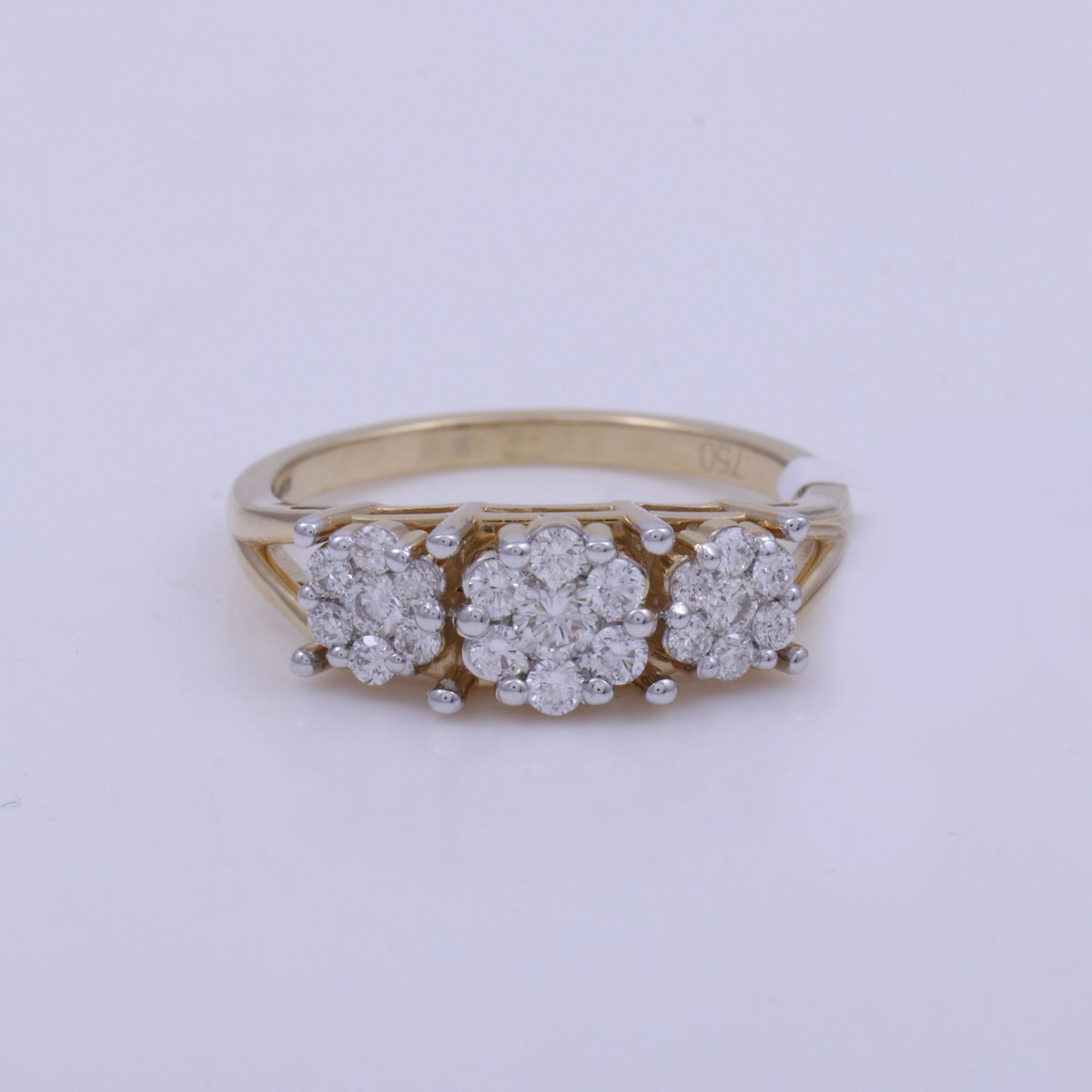
The three stones are most commonly read as a couple's past, present, and future together — a relationship's full timeline represented in a single piece, worn every day as a reminder that the story continues forward, not just backward.
Where the tradition comes from
The three-stone design became widely popular in the late 1990s and 2000s through major jewelry marketing campaigns, though clustered and trilogy-style rings existed in various forms well before that — the specific 'past, present, future' framing is largely a modern popularization of an older design convention.
Alternative meanings couples give it
Beyond the timeline reading, some couples assign the three stones to specific meaning of their own — a couple plus a future child, three significant people in their story, or simply a personal number that matters to them. There's no rule requiring the traditional interpretation.
Center stone vs. side stone proportions
A larger center stone with two smaller, matching side stones is the most common arrangement, emphasizing the 'present' as the largest and most prominent element — though some designs use three equally sized stones for a different, more balanced visual weight.
Choosing the right side stones
Round, trapezoid, and half-moon cuts are the most common side-stone shapes, chosen specifically to complement the center stone's outline rather than compete with it. Color is flexible too — matching diamonds for a classic look, or colored side stones for something more personal.
Why it remains a meaningful choice
Whatever specific meaning you assign to it, a three-stone ring's real appeal is that it's built to say something beyond 'engaged' — a structural way of telling a fuller story on the hand, which is exactly why it's stayed popular well beyond its marketing-driven origin.