
Gemstones
Sapphire, Emerald, or Ruby: Colored Gemstone Engagement Rings
Diamonds aren't the only option. Colored gemstones offer distinctive character, often at a lower cost per carat — here's what to know before choosing one.
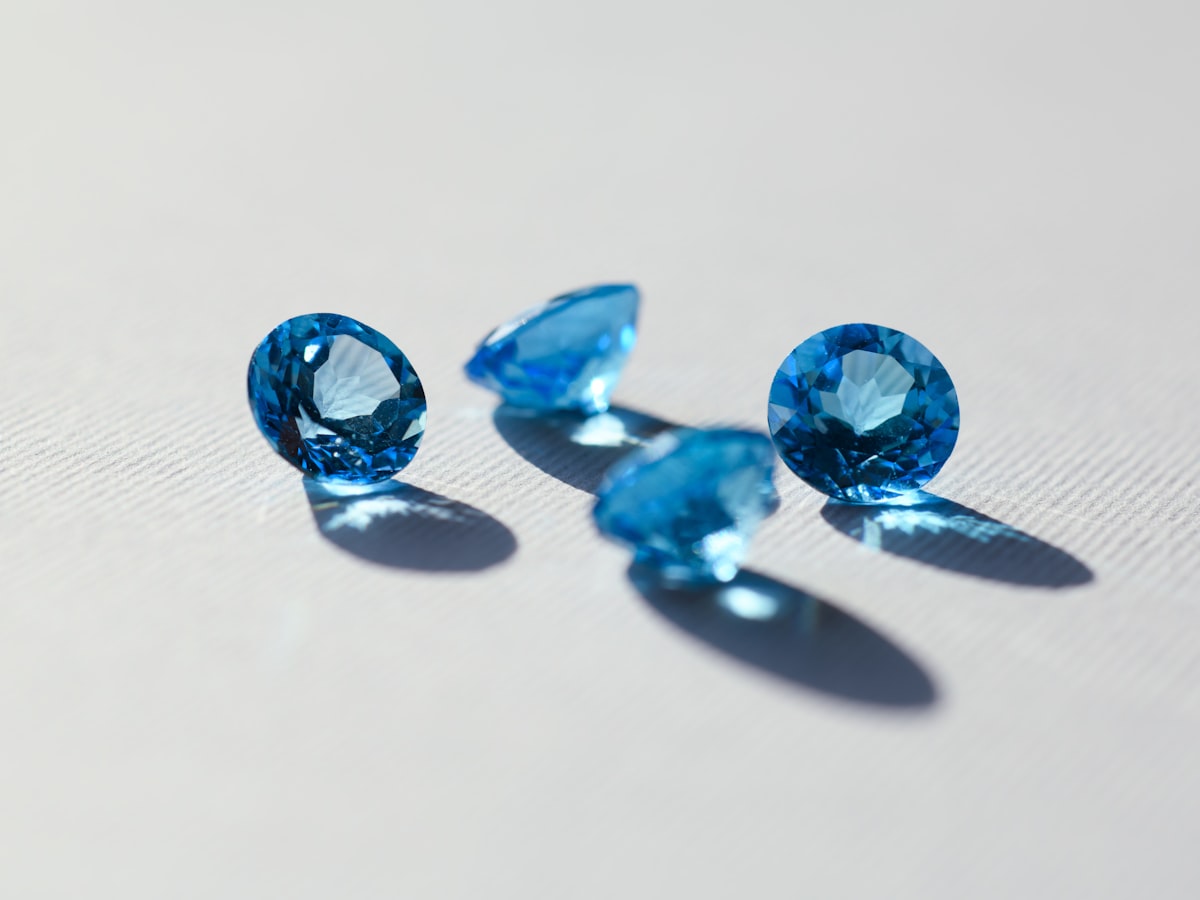
Sapphire: the durable, versatile choice
Rated 9 on the Mohs hardness scale (just below diamond), sapphire is genuinely suited for everyday wear. It's available in nearly every color, though the classic blue remains most requested. Price per carat is typically lower than a comparable diamond, letting you go bigger for the same budget.
Emerald: striking, but needs more care
Emeralds have natural inclusions (called jardin) that are part of their character, but also make them more prone to chipping than diamond or sapphire — a protective setting style is recommended for daily wear. Their deep green is unmatched by any lab-created alternative.
Ruby: rare, bold, and increasingly popular
Chemically the same mineral as sapphire (corundum), just red instead of blue. High-quality rubies are actually rarer than comparable diamonds at large sizes, and the color makes an unmistakable, confident statement.
Durability matters more than people expect
An engagement ring is worn every day for decades. We always discuss daily-wear durability honestly during your consultation — a bezel or halo setting can protect a softer stone significantly, and we'll steer you away from a choice you'd regret in five years.
Natural or lab-created colored stones
Like diamonds, lab-created sapphires and rubies exist — chemically identical, significantly less expensive. We can source either, certified, depending on your priorities.
Pairing color with metal
Sapphire and emerald both read beautifully against white metals (platinum, white gold) for a cool, classic look, or against yellow and rose gold for a warmer, more vintage feel. We'll bring physical stone samples to your consultation so you can see the pairing in person before committing.