
Diamonds & Stones
5 Myths About Lab-Grown Diamonds, Debunked
Lab-grown diamonds get more misinformation than almost any other topic in jewelry. Here's what's actually true, point by point.
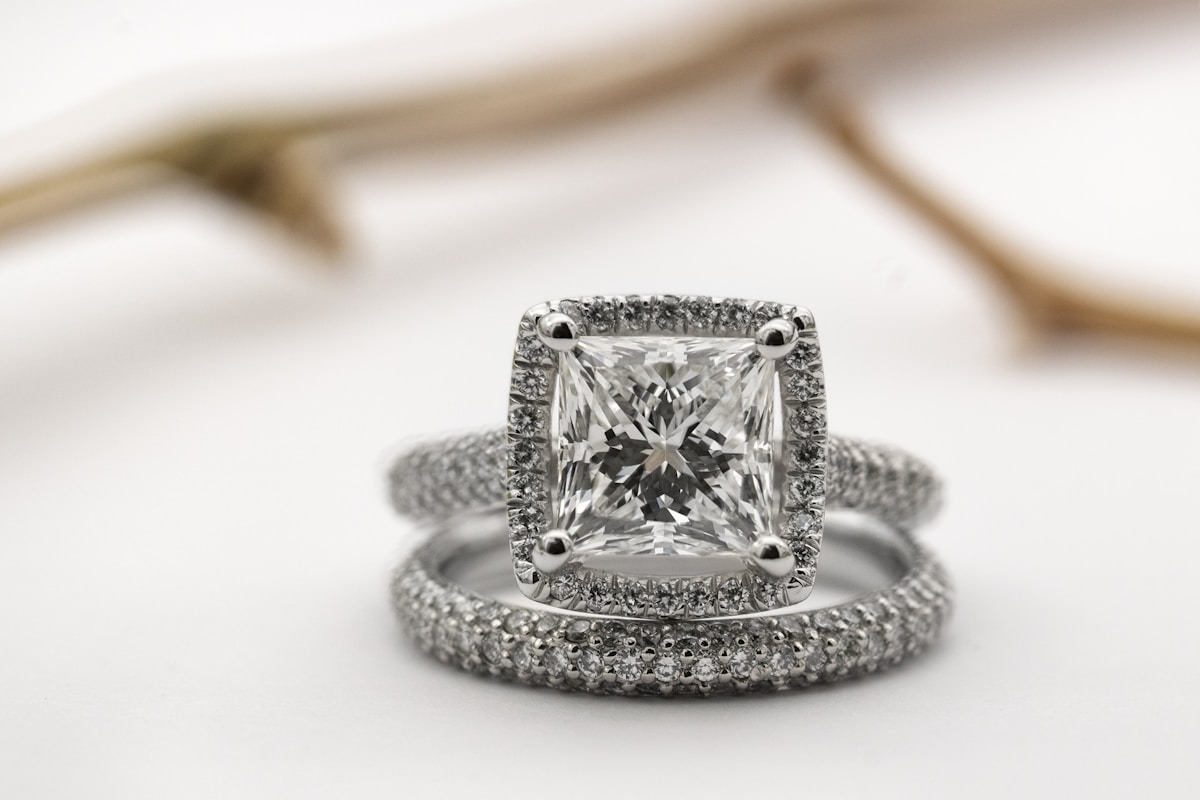
Myth: Lab-grown diamonds are 'fake'
This is the most common misconception, and it's simply false. A lab-grown diamond is chemically, physically, and optically identical to a natural diamond — same crystal structure, same hardness, same fire and brilliance. The only difference is where the carbon crystallized: underground over billions of years, or in a controlled lab environment over weeks. 'Fake diamond' actually refers to simulants like cubic zirconia or moissanite, which are chemically different materials entirely.
Myth: You can tell a lab diamond apart by looking at it
No jeweler, and no untrained eye, can visually distinguish a lab-grown diamond from a natural one — they require specialized equipment designed specifically to detect the microscopic growth patterns unique to each origin. If someone tells you they can just 'tell,' they're guessing.
Myth: Lab diamonds aren't certified the same way
Lab-grown diamonds are graded by the same major labs as natural diamonds — GIA and IGI both issue full grading reports for lab-grown stones, evaluating the same 4 Cs with the same rigor. The certificate simply states the diamond's origin as lab-grown, which is a disclosure requirement, not a quality distinction.
Myth: Lab diamonds are a passing trend
Lab-grown diamond sales have grown consistently for over a decade and now represent a significant and growing share of the global diamond market, particularly in engagement rings. The production technology has also matured significantly — this isn't an experimental category anymore.
Myth: There's no real reason to choose natural over lab, or vice versa
This one isn't quite a myth, but it oversimplifies a real choice: natural diamonds currently hold resale value better, and carry a scarcity/origin story some clients specifically want. Lab diamonds typically cost 60-80% less for the same specs, letting you maximize size or quality within your budget. Neither choice is wrong — they serve different priorities.
The bottom line
A lab-grown diamond isn't a compromise or a lesser stone — it's a legitimate, fully graded diamond with a different origin story and a significant price advantage. The right choice depends entirely on what matters most to you: budget efficiency, or the specific story of a natural stone.