
Budget
Maximizing Your Budget: Where to Spend on Metal vs. Stone
With a fixed budget, every dollar you put into metal is a dollar not going into the stone, and vice versa. Here's how to think about that trade-off deliberately instead of by accident.
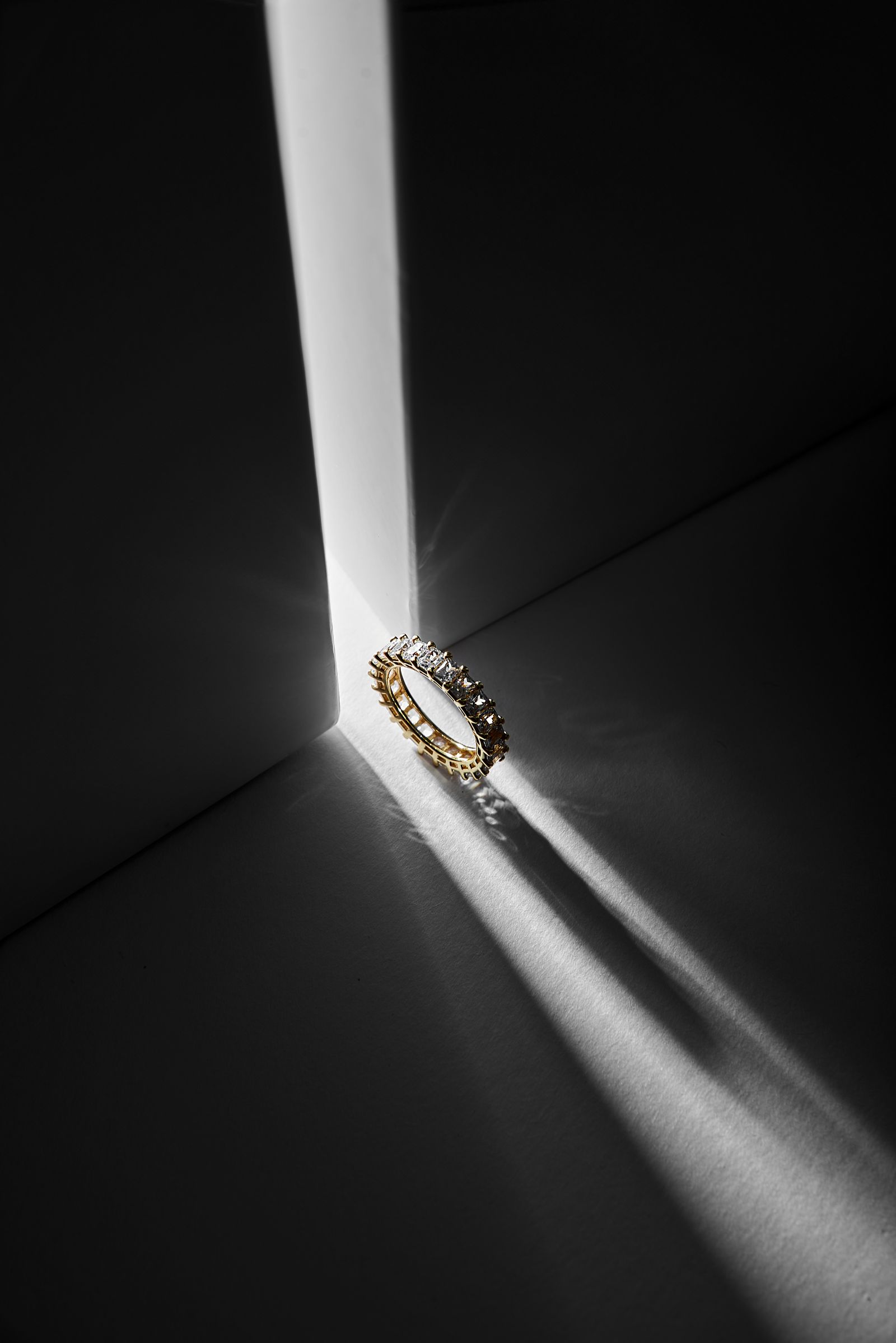
The stone almost always deserves priority
Across most budgets, the center stone is what people actually look at and remember — the metal is the frame, not the picture. As a general rule, when a budget is tight, it's usually worth trimming metal cost before trimming stone size or quality, since the stone carries more of the ring's visual impact per dollar.
Where lab-grown diamonds change the math entirely
Choosing a lab-grown diamond instead of a natural one frees up 60–80% of what that stone would have cost at equivalent size and quality — money that can go directly toward a larger stone, a better cut grade, or a more elaborate setting, without increasing your total budget at all.
Where metal cost is genuinely worth paying for
Platinum's added cost over white gold buys real durability advantages for daily wear and a naturally hypoallergenic metal — a legitimate reason to prioritize it if either matters to you specifically. Otherwise, 18K white, yellow, or rose gold delivers a comparable look for meaningfully less.
Setting style is often the hidden lever
A clean solitaire setting costs less in labor than a pavé or halo design, and redirecting that saved labor cost toward the center stone often has more visual payoff than a more elaborate setting would. It's worth pricing both directions before deciding.
A concrete example of the trade-off
On a fixed budget, choosing a 1.5-carat lab-grown diamond in a simple solitaire setting will typically look more impressive on the hand than a 0.75-carat natural diamond in an elaborate pavé setting at the same total price — because carat weight and stone presence tend to read more immediately than setting detail.
How we help you actually optimize this
During your consultation, we walk through real trade-offs specific to your budget — showing what happens to stone size or quality if you shift the metal choice, or vice versa — so you're deciding with real numbers in front of you, not guessing.