
Diamonds & Stones
Is a Lab-Grown Diamond a Real Diamond?
The honest, unglamorous answer, straight from the chemistry — and why the FTC settled this question years ago even if the marketing hasn't caught up.
The chemistry, plainly stated
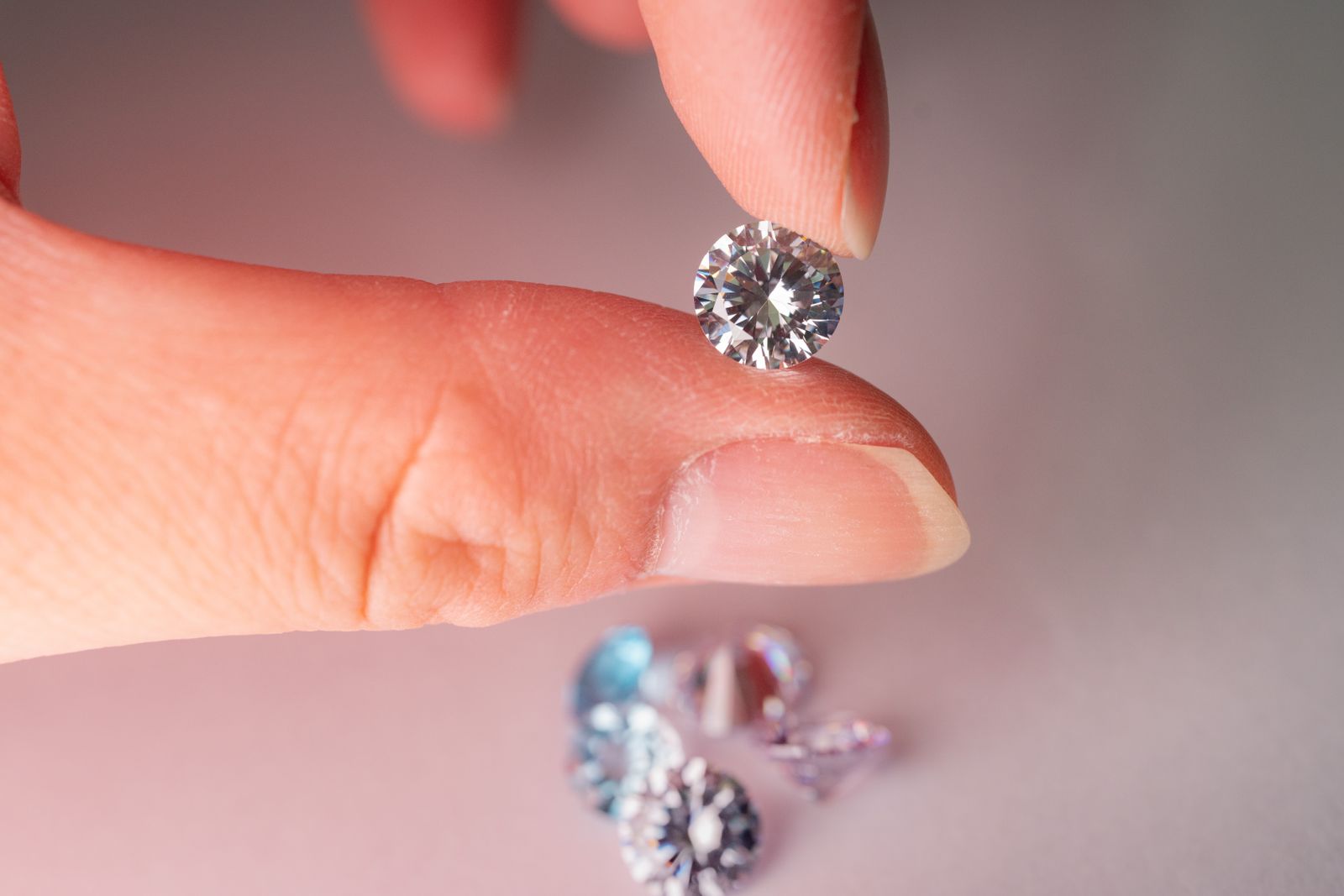
A lab-grown diamond is made of the exact same material as a mined diamond — pure crystallized carbon in a diamond cubic structure — with identical hardness, optical properties, and fire. The only difference is where the crystal formed: underground over a billion-plus years versus a lab over several weeks.
What the FTC actually says
The US Federal Trade Commission revised its jewelry guidelines specifically to confirm that a lab-grown diamond is a diamond, requiring only that it be clearly disclosed as 'laboratory-grown' or 'lab-created' rather than 'natural.' The distinction the FTC enforces is about origin disclosure, not whether it counts as a real diamond.
Why the confusion persists anyway
The word 'synthetic' gets used loosely in casual conversation to mean 'fake,' but in gemology it specifically means 'grown, not mined' — the same word used for lab-grown rubies and sapphires, which nobody seriously calls fake gemstones. Marketing from natural-diamond mining interests has also, understandably, leaned into that confusion.
How a gemologist actually tells them apart
A standard jeweler's loupe cannot distinguish a lab-grown diamond from a mined one — they require specialized equipment designed specifically to detect the trace growth patterns unique to each origin. This is precisely why third-party lab certification (GIA or IGI) exists and clearly states the origin on the report.
The one real difference: rarity, not material
The entire price gap between lab-grown and mined diamonds comes down to supply, not quality — mined diamonds are geologically rare, lab-grown diamonds are not. That's a legitimate reason some people prefer natural stones, but it's a statement about scarcity and tradition, not about which one is 'really' a diamond.
What this means for your ring
Whichever you choose, the certification will say so clearly, and the stone itself will perform identically on your hand — same brilliance, same durability, same everyday wear. The decision comes down to what matters to you personally: budget, size, rarity, or tradition, not authenticity.